So, You're Thinking About a Career as a Patient Care Technician? Let's Talk About It!
You know, in the grand scheme of healthcare, there are so many roles that just don't get the spotlight they deserve. And honestly, one of those incredibly vital positions, the backbone of direct patient interaction in many settings, is the Patient Care Technician, or PCT. I often find myself thinking about the sheer variety of tasks these professionals handle and the immense difference they make every single day. If you've been considering stepping into healthcare, but maybe a long degree isn't quite the right fit right now, or you just want to get hands-on experience quickly, becoming a PCT might just be the perfect entry point for you. It's a demanding job, absolutely, but it's also incredibly rewarding, offering a unique blend of technical skill and compassionate care.
I've always believed that understanding a role deeply involves looking beyond the job title. A PCT isn't just an assistant; they are the eyes, ears, and often the comforting presence for patients during some of their most vulnerable moments. It's a role that requires a huge heart, sharp observational skills, and a commitment to helping others. We're talking about folks who truly make a tangible impact on patient well-being, and that's something you can genuinely feel proud of at the end of your shift.
What Does a Patient Care Technician Actually Do on a Daily Basis?
Alright, let's get down to the nitty-gritty. What does a typical day look like for a PCT? Well, I can tell you it's rarely 'typical' in the strictest sense; every day brings new challenges and new people to care for. However, there's a core set of responsibilities that you'll pretty consistently encounter. These aren't just chores; they're critical components of patient recovery and comfort. It's about ensuring patients are safe, comfortable, and that their basic needs are met, allowing the nurses and doctors to focus on more complex medical interventions. It's a team effort, and the PCT is an indispensable player.
Key Responsibilities You'll Be Handling:
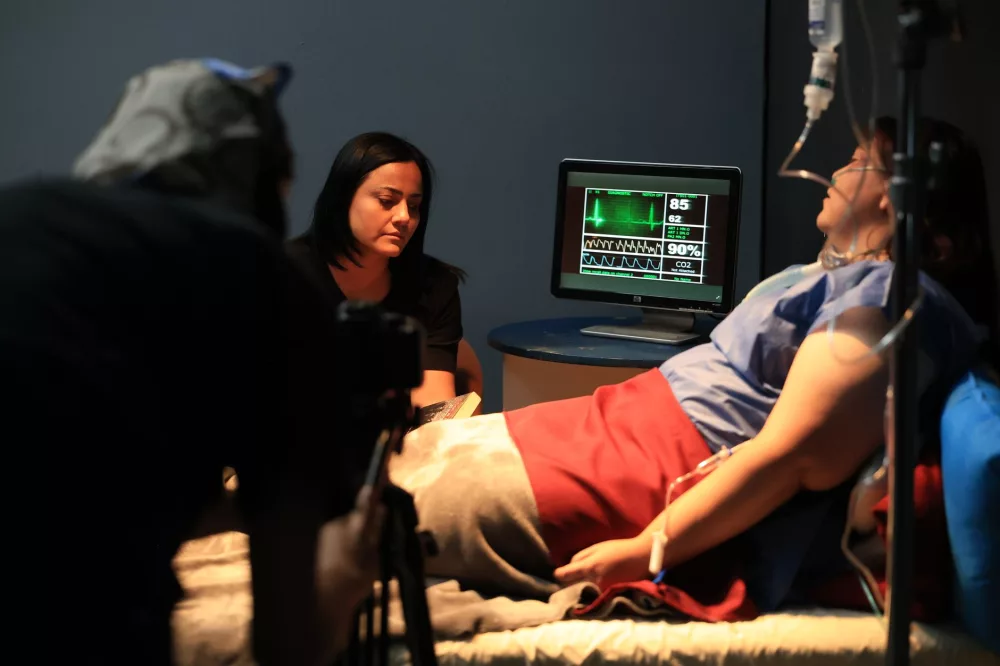
- Monitoring Vital Signs: You'll be taking blood pressure, pulse, respiration, and temperature readings. This isn't just about recording numbers; it's about noticing subtle changes that could signal a problem, and that requires a keen eye.
- Assisting with Personal Care: This includes helping patients with bathing, dressing, grooming, and using the restroom. It's a very intimate part of the job, requiring immense respect and empathy.
- Helping with Mobility: Many patients need assistance moving from bed to chair, walking, or repositioning. You'll often be using lifts and other equipment safely to prevent injury to both yourself and the patient.
- Collecting Specimens: Expect to collect urine, stool, and sometimes blood (if certified for phlebotomy) samples, preparing them for lab analysis. Accuracy here is crucial!
- Documenting Patient Information: Keeping meticulous records of everything you observe and do is super important. You'll be documenting vital signs, intake and output, and any changes in a patient's condition.
- Performing EKG/ECG: In many settings, PCTs are trained to perform electrocardiograms, which are tests that check for problems with the electrical activity of your heart.
- Phlebotomy: Drawing blood is another common task for PCTs, especially if they have specialized training. It's a skill that's always in demand.
- Maintaining a Clean Environment: You'll assist in keeping patient rooms tidy and organized, which contributes significantly to infection control and patient comfort.
- Providing Emotional Support: This might not be on a formal checklist, but it's arguably one of the most important aspects. Listening, offering encouragement, and just being a calming presence can make a world of difference for patients.
Where Do PCTs Find Themselves Working? The Diverse Landscape
One of the really cool things about being a PCT is the variety of environments you could work in. It's not just hospitals, though that's certainly a big one! I've seen PCTs thrive in all sorts of places, each offering its own unique set of experiences and challenges. You really have options depending on what kind of pace and patient population you prefer.
- Hospitals: This is probably the most common setting, working on different units like medical-surgical, telemetry, emergency rooms, or even ICUs, depending on your training and the facility's needs. The pace can be fast, but the learning opportunities are endless.
- Long-Term Care Facilities/Nursing Homes: Here, you'll often build deeper, more lasting relationships with residents, assisting them with daily living activities and providing consistent care.
- Clinics and Doctor's Offices: Some larger clinics employ PCTs to help with vital signs, rooming patients, and assisting doctors during examinations. It's generally a more predictable schedule.
- Assisted Living Facilities: Similar to nursing homes, but often for residents who are more independent but still require some support.
- Dialysis Centers: PCTs in these centers play a very specialized role, assisting patients undergoing kidney dialysis treatments, monitoring them closely, and managing equipment.
- Home Health Agencies: For those who prefer working one-on-one and enjoy a bit more autonomy, providing care in a patient's own home can be a fulfilling path.
Becoming a Patient Care Technician: Your Path Forward
So, you're convinced this might be for you. Fantastic! Now, how do you actually become one? It's usually a more direct route than many other healthcare professions, which is part of its appeal. Most PCTs complete a training program, and I really can't stress enough how beneficial a good program is for building a solid foundation.
Education and Certification:
Typically, you'll need a high school diploma or GED to start. After that, the most common path involves enrolling in a Patient Care Technician program. These programs are offered by vocational schools, community colleges, and some hospitals. They usually last anywhere from a few months to about a year, covering things like anatomy, physiology, medical terminology, patient communication, basic nursing skills, and often specialized skills like phlebotomy and EKG operation. What I've observed is that these programs are designed to get you job-ready quickly, focusing on practical skills you'll use daily.
While not always legally mandated in every state, getting certified is something I'd strongly recommend. Certification from organizations like the National Healthcareer Association (NHA) or the National Center for Competency Testing (NCCT) can significantly boost your employability and demonstrate your commitment to the profession. It tells potential employers that you've met a recognized standard of competence, and that really makes a difference when you're looking for that first job.
The Career Outlook and What You Can Expect
Let's talk about the future! The demand for PCTs, and healthcare support workers in general, is projected to grow much faster than the average for all occupations. Why? Well, we have an aging population, and people are living longer with chronic conditions, which means more need for direct patient care. This is excellent news for anyone considering this career path, as job security is a definite plus. You're entering a field with consistent need.
In terms of salary, it really varies based on location, experience, and the specific healthcare setting. Generally, I see entry-level PCTs earning a respectable hourly wage, which can increase with experience and additional certifications. Many healthcare facilities also offer great benefits packages, including health insurance, retirement plans, and tuition reimbursement, which is a big bonus if you're thinking about advancing your education down the line.
Rewards and Challenges: It's Not Always Easy, But It's Worth It
I wouldn't be doing my job if I didn't also mention that this role comes with its own set of challenges. It's physically demanding; you'll be on your feet a lot, lifting, and moving. Emotionally, it can be tough too. You'll encounter illness, suffering, and sometimes loss, and you need to develop resilience and strong coping mechanisms. It's not a job for the faint of heart, that's for sure.
However, the rewards, in my humble opinion, far outweigh the difficulties. The feeling you get when a patient thanks you, or when you see someone you've cared for recover and go home, is absolutely unparalleled. You're a crucial link in the patient's care chain, and the human connection you build is truly special. It's a career that offers continuous learning, opportunities for advancement (many PCTs go on to become nurses!), and the deep satisfaction of knowing you're making a real, positive impact in people's lives. It's a privilege to be part of someone's healing journey, and as a PCT, you're right there, every step of the way.